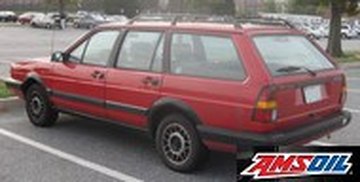
Engine Lubrication and Maintenance for the 1982 Volkswagen QUANTUM 1.7L
Maintaining the mechanical integrity of a vehicle like the 1982 Volkswagen QUANTUM requires a disciplined approach to routine service. For the 1.7L engine, consistent attention to lubrication is one of the most effective ways to manage the long-term health of the powertrain. Because this vehicle was manufactured several decades ago, maintenance strategies often shift from simple part replacement to a more observant, condition-based approach.
Monitoring Fluid Integrity and Potential Seepage
A primary component of routine engine care involves regular visual inspections for any signs of fluid loss. Over time, various seals and gaskets may experience changes in elasticity due to heat cycles and age. When performing an inspection, it is useful to look for evidence of seepage around the engine block or at connection points. Rather than assuming a specific seal has failed, owners should look for wetness or residue that might indicate a need for future attention.
If you notice any accumulation of oil in the engine bay, it warrants closer investigation. Such observations can be associated with various factors, including aging gaskets or loose mounting hardware. Identifying these signs early allows for planned maintenance rather than reactive repairs. Additionally, checking the condition of hoses and electrical connectors during these inspections ensures that other vital systems are not being compromised by the same environmental factors affecting the lubrication system.
Observing Changes in Lubricant Condition
The physical state of the engine oil can provide significant clues regarding the internal environment of the 1.7L engine. When checking the oil level, it is also an opportune time to observe its color and consistency. While some degree of darkening is expected as oil undergoes thermal stress and collects microscopic debris, extreme changes in appearance should be noted.
If the lubricant appears excessively thick or shows signs of unusual sludge-like deposits, this may indicate that the service intervals are not being met or that the engine has been subjected to high operating temperatures. Furthermore, any unusual mechanical noises noticed during startup or while idling can sometimes be linked to changes in how the oil is performing within the engine. Because symptoms like noise or odor can have multiple underlying causes, these observations should serve as a prompt for a professional diagnostic check rather than a definitive diagnosis of a specific component failure.
Prioritizing Maintenance Through Documentation
For owners of a 1982 Volkswagen QUANTUM, establishing a clear maintenance baseline is essential, especially if the vehicle's service history is not fully known. If you have recently acquired the vehicle, your first priority should be to document all current fluid levels, filter conditions, and any visible signs of wear. This creates a "starting point" that allows you to track how the engine responds to new service interventions.
Maintaining a detailed log of when oil was changed, which products were used, and what observations were made during inspections is highly beneficial. This record-keeping helps distinguish between a sudden change in engine behavior and a gradual progression of age-related wear. When records are incomplete, focusing on addressing active signs of concern—such as minor leaks or changes in consumption—is more effective than following generic schedules that may not reflect the actual condition of your specific 1.7L engine.
Managing Aging Engine Components
As vehicles age, the materials used in their construction undergo various physical changes. For a 1982 model, this includes not just metal components but also rubber and plastic elements. When performing routine service, it is practical to inspect accessible belts (if equipped) for signs of cracking, glazing, or fraying. Similarly, any visible hoses should be checked for brittleness or soft spots that could indicate impending failure.
It is important to distinguish between preventive maintenance and unnecessary replacement. Not every aging component requires immediate attention; instead, use a condition-based approach. If a belt or hose appears supple and free of cracks, it may continue to serve reliably. However, if you observe deterioration, addressing these items proactively can prevent secondary issues that might arise from a sudden component failure. This philosophy of "inspecting rather than assuming" ensures that maintenance resources are directed where they are most needed.
The Role of Lubrication in Engine Longevity
Engine oil performs several vital roles that extend beyond simple lubrication. It acts as a medium for heat management, helping to carry thermal energy away from high-friction areas within the engine. It also serves as a cleaning agent, suspending microscopic particles so they can be captured by the oil filter. Maintaining the quality of this fluid is essential for ensuring these functions are carried out effectively.
Consistent service helps prevent the buildup of deposits that can interfere with the smooth operation of internal components. By ensuring the lubricant remains within its effective operating parameters, you help maintain the mechanical efficiency of the 1.7L engine. This proactive stance on lubrication is one of the most significant factors in managing the long-term operational health of a vintage powertrain.
Practical Guidance for BUYING ENGINE OIL for your 1982 Volkswagen QUANTUM 1.7L
When it is time to replenish your engine's lubricant, the most important step is to ensure the product matches the specific requirements of your application. Do not rely on general automotive knowledge or assumptions based on the vehicle's age to select a grade. Instead, match the engine oil to the application-specific viscosity information already displayed on this webpage.
As you shop for products, consider the following practical steps:
- Verify the Label: Always check the product packaging to ensure the SAE viscosity and API service classifications align with the data provided in your vehicle's application information.
- Evaluate Formulations: Depending on your specific needs, you may choose between conventional, synthetic blend, or full synthetic oils. Some high-mileage oil formulations also contain additives intended for use in aging engines, including seal-conditioning additives that may be useful for vehicles showing signs of minor seepage.
- Check Quality Standards: Ensure the oil meets current industry standards for quality and protection to provide the best possible service to your engine.
By following the specific viscosity and application guidance listed on this page, you can make an informed decision that supports the continued operation of your 1982 Volkswagen QUANTUM.